
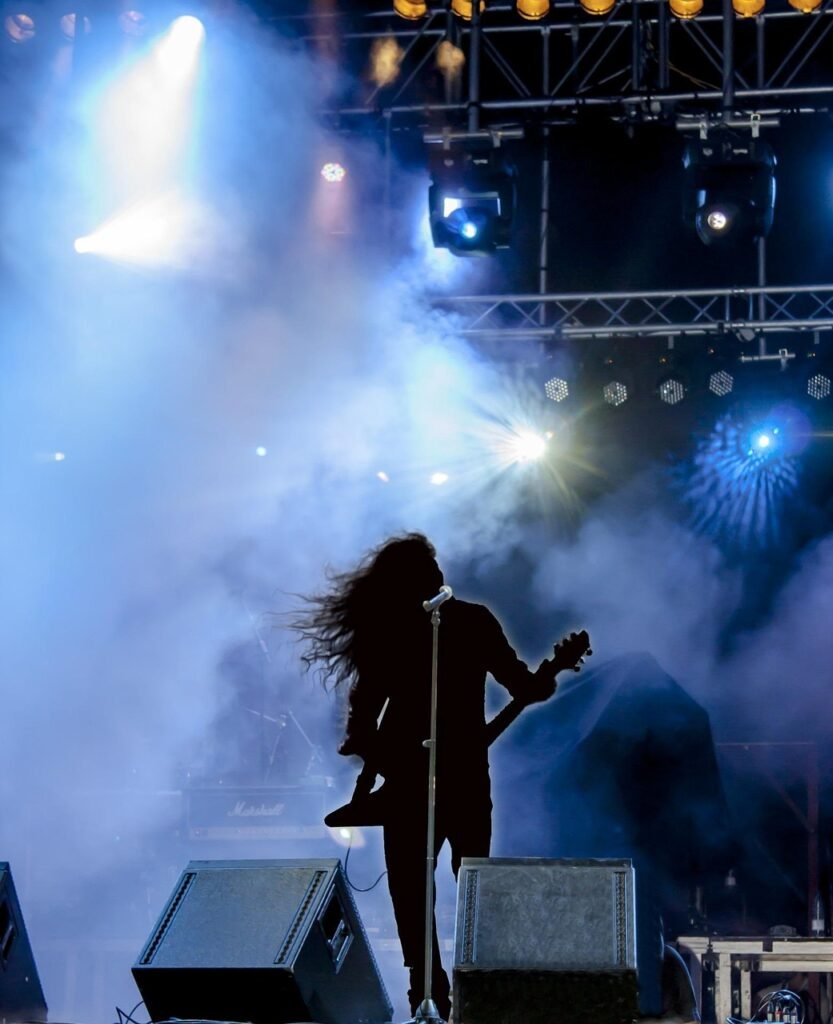
When it comes to live concerts, it’s not just the music that captivates audiences—it’s the entire experience. Stage design plays a pivotal role in creating that magic, turning a performance into an immersive, unforgettable event.
1. Start with the Artist’s Vision
Every stage should reflect the artist’s personality, music style, and energy. A rock band may need a rugged, dynamic setup, while a classical performance might call for elegance and intimacy.
- Understand the music genre and artist’s brand.
- Collaborate closely with performers on stage layout, props, and visuals.
- Ensure the stage enhances the performance rather than overshadowing it.
The best stages feel like an extension of the artist, not just a backdrop.
2. Prioritize Audience Engagement
A great stage is designed with the audience in mind. Fans should feel immersed, connected, and part of the show.
- Consider sightlines: every seat should offer a clear view.
- Use platforms, ramps, or runways to bring performers closer to the crowd.
- Incorporate interactive elements like LED screens or projections that respond to music or audience participation.
Engaged audiences remember not just the songs, but the entire concert experience.
3. Balance Functionality and Creativity
Stage design is as much about practicality as it is about aesthetics.
- Ensure there’s enough space for performers, instruments, and crew movement.
- Consider technical needs: sound equipment, lighting rigs, pyrotechnics, and special effects.
- Design pathways for quick scene changes or artist entrances/exits.
The best stages are visually stunning without compromising safety or functionality.
4. Incorporate Dynamic Lighting
Lighting transforms a stage from ordinary to spectacular. It sets mood, highlights performers, and creates memorable moments.
- Use spotlights, wash lights, moving heads, and strobes creatively.
- Sync lighting with music for dramatic effects, like a crescendo accompanied by a light burst.
- Color schemes and effects should reflect the tone of the songs and overall theme of the concert.
Smart lighting ensures every note is felt as much as it’s heard.
5. Leverage Visual Technology
Modern concerts rely on visual storytelling:
- LED walls and projection mapping can display immersive backdrops or thematic visuals.
- Holograms, lasers, and interactive screens elevate the stage into a multi-sensory experience.
- Animated visuals can sync with music to enhance emotional impact.
Visual technology is no longer optional—it’s a key part of audience engagement.
6. Use Staging to Guide Audience Emotions
Every stage element—from props to lighting—should evoke emotions:
- A minimalistic stage can create intimacy and focus on vocals.
- Large, elaborate setups with pyrotechnics can energize the crowd during high-intensity songs.
- Creative entrances, surprises, and dynamic movements keep the audience on edge, anticipating the next moment.
The stage itself tells a story, complementing the music.
7. Plan for Flexibility
Concerts are unpredictable. Stages need to be adaptable:
- Modular designs allow quick adjustments for different venues or performances.
- Movable props or modular LED panels can accommodate multiple artists or acts in a single show.
- Flexibility ensures that no matter the venue size, the concert feels big and immersive.
A flexible stage design also allows for last-minute technical or creative adjustments.
8. Safety is Non-Negotiable
While creativity is vital, safety is paramount.
- Ensure rigging, scaffolding, and lighting installations are secure.
- Provide safe pathways for performers and crew.
- Conduct rigorous checks before every show to prevent accidents.
Professional stage design balances wow-factor with safety standards.
9. Collaborate with Experts
The most successful stages result from collaboration:
- Stage designers, sound engineers, lighting technicians, and event managers work together.
- Artists provide input on performance needs.
- Managers ensure the design aligns with logistics, budget, and audience experience.
Collaboration ensures that the stage enhances the music, not distracts from it.
Conclusion
Stage design is more than decoration—it’s a tool to create memorable experiences. By blending creativity, technology, functionality, and safety, professionals can craft stages that amplify the energy of a performance and engage every audience member.